How Can a General Contractor Service Boost Your Home Value?
Homeowners often look for ways to increase property value while improving comfort and functionality. Renovations, structural upgrades, and thoughtful design updates can transform an ordinary property into a more appealing and efficient living space. However, managing these projects successfully requires careful planning, reliable coordination, and a deep understanding of construction practices. A professional general contractor service provides the structure and expertise needed to turn renovation ideas into measurable value.
Whether the goal is improving daily living or preparing a property for resale, professional oversight can help ensure every improvement supports long-term value. From evaluating the current condition of the home to organizing tradespeople and materials, contractors guide projects through every stage. Their experience helps homeowners avoid costly mistakes, keep projects on schedule, and make informed decisions that align with market expectations. The result is a renovation strategy that strengthens both the practicality and the financial potential of a property.
Managing Projects Efficiently
Coordinating a renovation involves far more than simply hiring individual trades. Construction projects require careful scheduling, communication, and supervision to ensure that every step connects smoothly with the next. Contractors handle these responsibilities by organizing subcontractors, ordering materials, and monitoring progress throughout the build. This structured management approach allows each stage of the project to move forward without unnecessary interruptions or delays. Contractors also create detailed timelines that outline when each phase should begin and end, helping ensure that materials arrive on time and work crews remain productive throughout the project.
A skilled general contractor service brings organization to what could otherwise become a complicated process. Instead of homeowners juggling multiple vendors and timelines, the contractor acts as a central coordinator who ensures electricians, plumbers, carpenters, and other specialists work together efficiently. By sequencing tasks properly and addressing issues quickly, contractors reduce downtime and help keep renovation costs under control. They also maintain consistent communication with homeowners, providing updates and clarifying decisions so that everyone involved remains aligned with the overall project goals.
Efficient project management also contributes directly to the final quality of the renovation. When tasks are scheduled logically and performed under experienced supervision, the finished results are more cohesive and durable. This consistency enhances the home's functionality while also improving visual appeal. Well-executed upgrades tend to attract more interest from buyers and can increase the property's perceived reliability and value. Organized oversight also helps prevent rework and installation errors, allowing the project to progress smoothly while maintaining a high standard of craftsmanship throughout every stage of construction.
Evaluating Property Needs
Before beginning any renovation, a comprehensive evaluation of the property is essential. Contractors often start by examining structural elements, major systems, and existing finishes to determine where improvements will make the greatest impact. This assessment may include inspecting roofing, plumbing, electrical systems, insulation, and foundational components. By identifying both strengths and weaknesses in the home, contractors help homeowners focus resources on the areas that will benefit most from improvement. These evaluations also help uncover hidden inefficiencies that may affect comfort, safety, or long-term durability.
These evaluations often reveal opportunities that may not be obvious during a casual inspection. For example, improving ventilation, reinforcing aging structures, or upgrading outdated wiring can significantly improve safety and efficiency. Addressing these issues early prevents small problems from developing into major repairs while supporting the long-term stability of the home. A careful review also allows homeowners to plan projects in phases if needed, spreading costs while still improving the property steadily.
Professional assessments help align renovation decisions with practical goals. Rather than investing in cosmetic upgrades alone, homeowners gain insight into improvements that strengthen the overall integrity of the house. This strategic approach ensures that renovations support both immediate comfort and future resale value, creating a balanced plan for meaningful property improvement. Contractors may also suggest upgrades that increase energy efficiency, helping reduce utility costs while improving overall home performance.
Prioritizing High-Value Upgrades
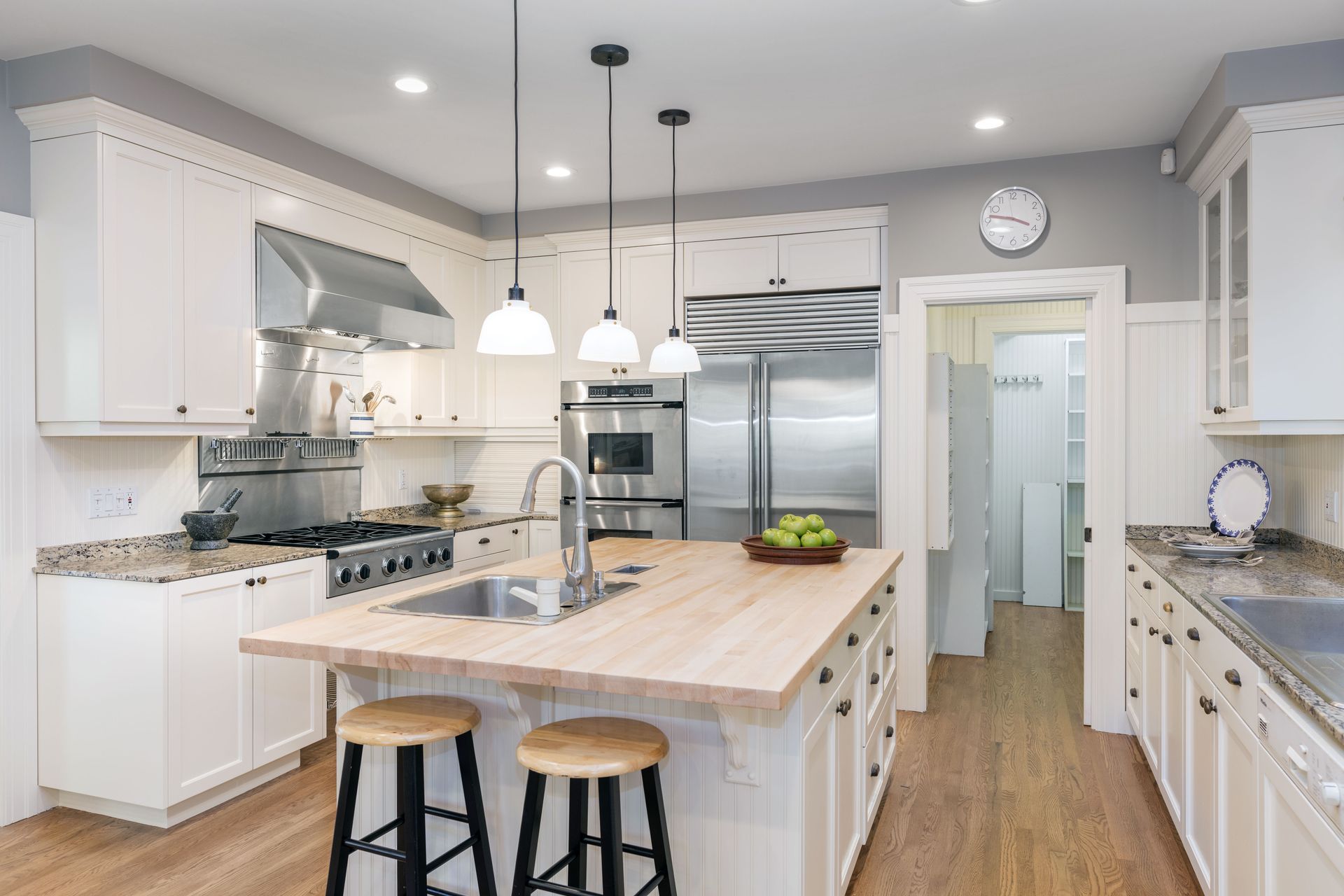
Not every renovation contributes equally to property value, which makes prioritization an important part of planning. Contractors frequently help homeowners identify improvements that offer the greatest return while remaining practical for everyday living. Kitchens, bathrooms, and energy-efficient upgrades often rank among the most impactful projects because they combine visual appeal with functional improvement. Updating these spaces can transform how a home looks and feels while also improving its overall usability.
A general contractor service provides valuable guidance during this decision-making process. By comparing potential upgrades with market expectations, contractors help homeowners select projects that appeal to future buyers while still meeting personal preferences. Strategic improvements might include modernizing cabinetry, installing durable flooring, improving lighting layouts, or integrating energy-saving appliances and insulation. These thoughtful enhancements often produce noticeable improvements without requiring a complete structural overhaul.
Industry data supports the financial advantages of well-planned renovations. According to Architectural Digest, remodeling projects boost your return on investment (ROI) by 69% on average. When upgrades are selected thoughtfully and completed with professional oversight, they can significantly strengthen a home's resale potential while improving everyday comfort for the people living there. By focusing on improvements that combine durability, functionality, and style, homeowners can make confident investments that continue delivering value long after the renovation is finished.
Improving Exterior Appeal
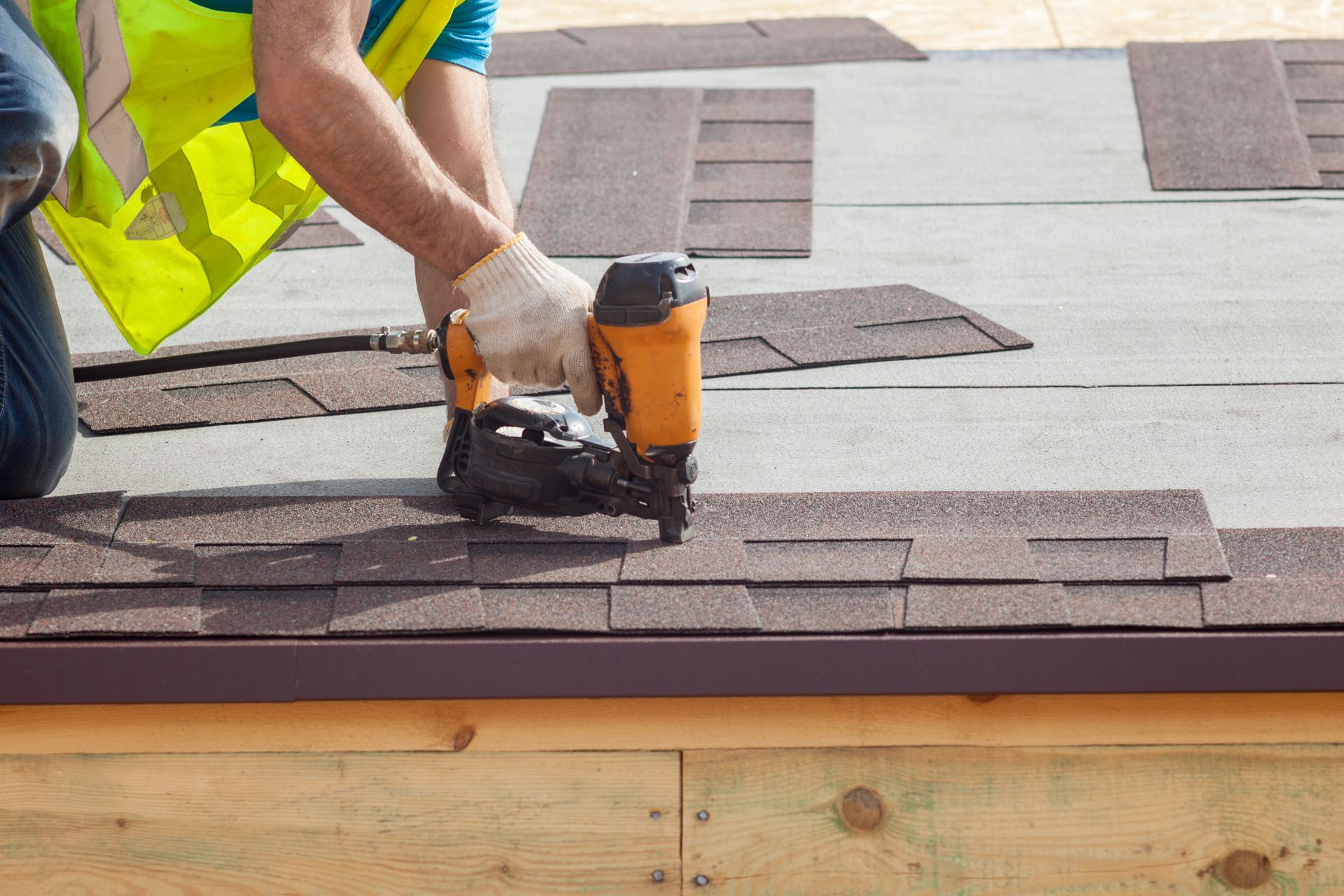
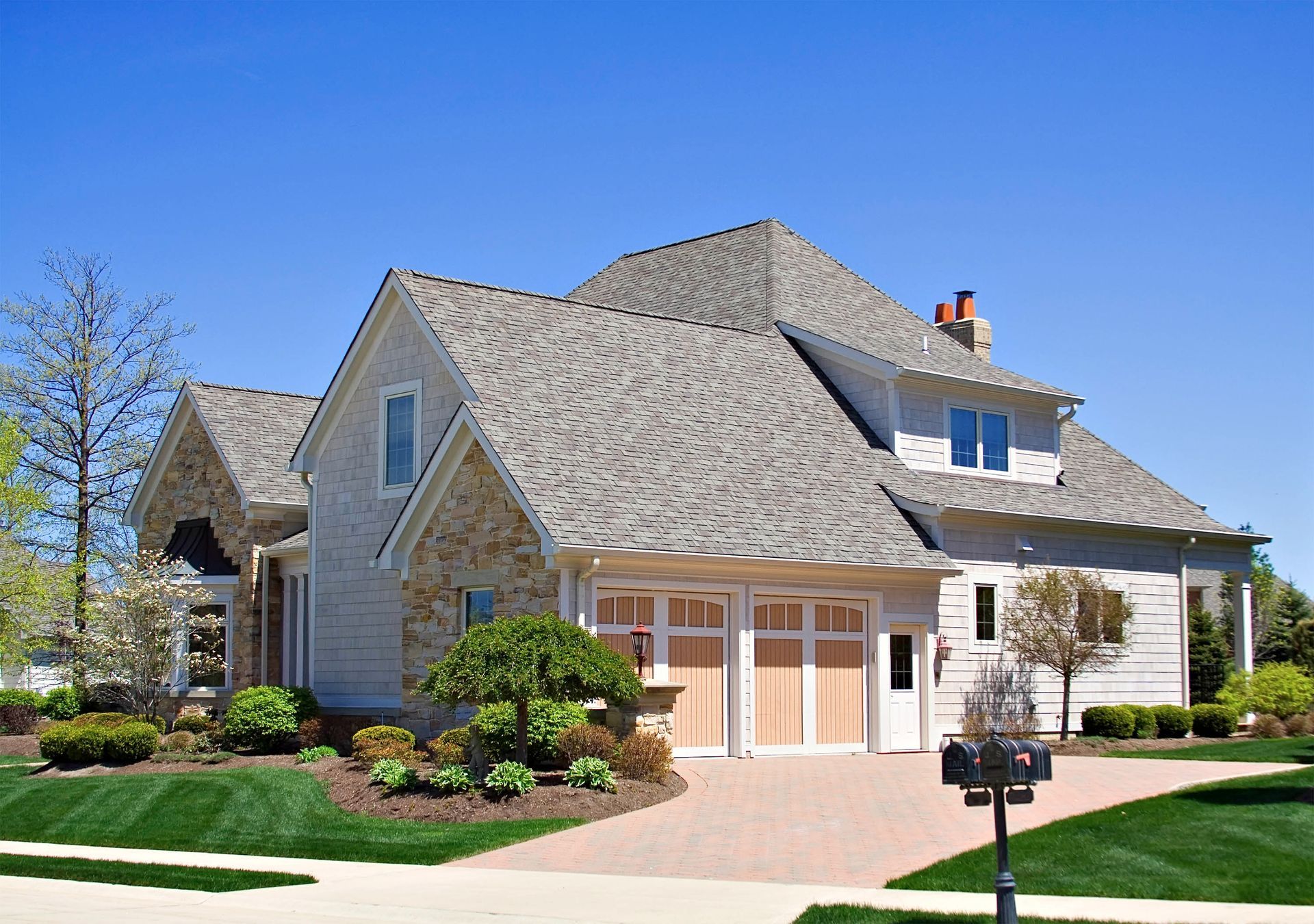
The exterior of a home often shapes the first impression visitors or buyers experience. Simple improvements such as refreshed paint, upgraded siding, or a new front entry can dramatically change how a property is perceived. Contractors frequently recommend exterior upgrades because they provide immediate visual impact while also protecting the home from weather exposure. Updated materials can also improve insulation and durability, helping the home withstand seasonal changes more effectively.
Landscaping improvements also play a major role in curb appeal. Thoughtfully designed walkways, trimmed greenery, and well-maintained lawns can frame the house and highlight architectural features. When these elements are combined with updated lighting or outdoor living spaces, the property begins to feel more inviting and complete. Outdoor seating areas, patios, or decorative pathways can further enhance the home's appearance and provide additional functional space for homeowners and guests.
A general contractor service helps coordinate these outdoor improvements so that design, materials, and structural changes work together. Matching colors, textures, and architectural details creates a cohesive exterior appearance that enhances the overall character of the home. Well-planned curb appeal upgrades not only attract attention but also reinforce the impression of a well-maintained and valuable property. These thoughtful improvements can significantly elevate a home's presence within its neighborhood and strengthen its overall market appeal.
Enhancing Interior Functionality
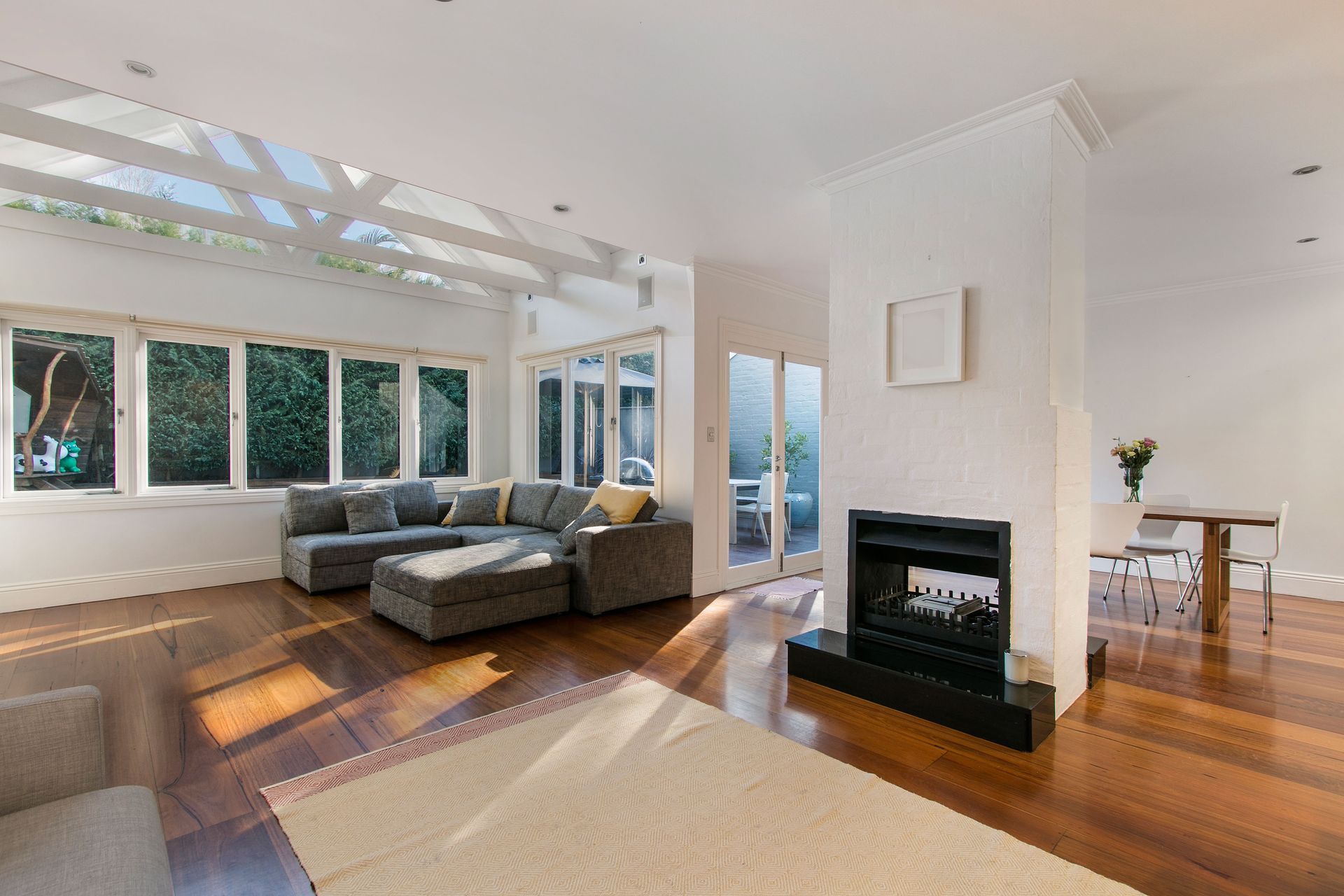
Interior renovations often focus on improving both comfort and efficiency. Modern homeowners appreciate open layouts, natural lighting, and flexible living spaces that adapt to different needs. Contractors frequently recommend removing unnecessary walls, updating flooring, or reconfiguring kitchens and living areas to create more usable space. These changes can dramatically improve the way a home feels and functions, making everyday living more convenient and enjoyable.
A well-planned general contractor service also addresses hidden systems that support daily living. Updated plumbing, electrical improvements, modern HVAC systems, and improved insulation can make the home safer and more energy efficient. While these upgrades may not always be immediately visible, they contribute significantly to long-term property value by improving reliability and reducing maintenance costs.
Through careful project management, strategic improvements, and professional craftsmanship, homeowners can transform their properties into more attractive and functional living spaces. Renovations that enhance structural reliability, modernize interiors, and improve curb appeal all contribute to stronger market value and greater everyday enjoyment. A trusted general contractor service helps ensure these improvements are completed efficiently and with lasting quality. For more information about the services that we offer, reach out to our incredible team at Keller Contracting Inc today!

Share On: